What Do I Need To Start Busking
Many new performers want to start busking, but feel unsure how or where to begin. Busking is a type of street performance, where buskers entertain the public for voluntary donations.
This guide clearly explains what equipment they will need, legal rules on licences, finding good locations and practical tips to set up a successful busking station. Read further for simple steps on hitting the streets with confidence.
Key Takeaways
- To start busking legally in the UK, you must first get a local council permit costing around £19; age requirement is 14 and up.
- Battery-powered amplifiers such as Roland CUBE Street EX or Yamaha Stagepas 200BTR help performers achieve quality sound without mains power.
- Popular instruments for flexible street performance include portable guitars like Martin LX1E Little Martin, percussion tools such as cajons, and looper pedals like those from Boss RC series.
- Choosing busy but legal locations—such as main shopping streets or acoustically friendly spots—is essential to attract crowds whilst avoiding fines from restricted zones clearly set by councils.
- Successful buskers select engaging songs like “Hallelujah” or Bob Dylan’s “The Times Are A-Changin’,” balancing covers with originals tailored carefully to audience taste.
Understanding Busking
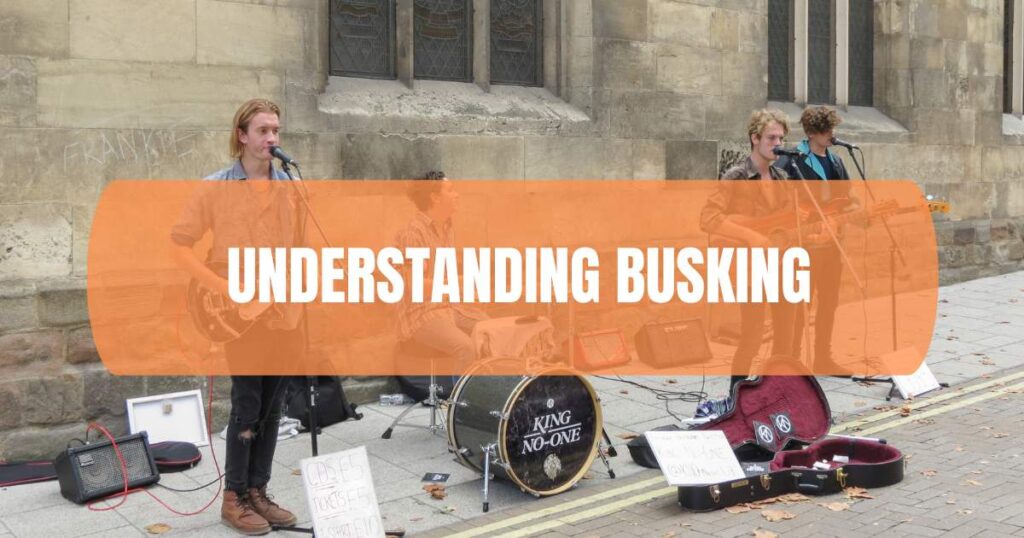
What is busking?
Performing music, dance, magic tricks or other acts in a public space for voluntary donations is called busking. This practice has existed since ancient times and still remains popular today; street performers entertain passers-by in busy streets or town centres to earn tips and gain exposure.
Modern buskers often expand their audience by streaming performances live on social media platforms like TikTok, Instagram, and Twitch.
Street performance offers artists an opportunity for practice as well as income; content creators can showcase their skills with acoustic guitars, battery-powered amps such as the Bose S1 or Cube Street series amplifiers, microphones including models like the Shure SM58 connected to suitable mic stands—and even backing tracks—to add depth to their shows.
Public attention drawn from effective performing helps buskers build loyal audiences who regularly return online or offline for more entertainment.

Types of street performances
Street performances cover a wide range of acts. They include live music, dance routines, juggling tricks and circus skills. A guitarist might set up a busking spot with amps and mics, ready to bring music to the streets; dancers often choose busy areas to gather crowds for stunning performances.
Jugglers tend to look the part with bright outfits and props, encouraging people passing by to stop and watch their impressive skills.
Buskers use creativity in many ways. Some buskers perform magic shows or mime acts without amplification or input from any PA system at all, while others incorporate backing tracks through compact size battery-powered setups with rechargeable batteries for clear sound outdoors.
Selecting an ideal location within local council regulations matters greatly in street performing success; community support among fellow performers can also boost skill development and open doors for new experiences.
Legal Requirements for Busking

Busking licences and permits
Busking is a great way for content creators to gain exposure and get their talent noticed. But before grabbing instruments and hitting the streets, all performers must understand local council regulations and busking licences or permits.
- Local councils in the UK often require performers to have a valid busking licence or permit; rules vary from area to area.
- In some locations, like Camden council, getting a permit will cost around £19.
- Performers might even need to pass an audition before receiving permission to go busking in certain busy areas.
- The minimum age to apply for a busking licence across most of the UK is 14 years old.
- To sell merchandise such as CDs or T-shirts alongside performances, street musicians usually need a street trading licence too.
- Buskers must check with their local authority about sound levels allowed, so they can choose the right busking setup or battery powered equipment.
- Restrictions often apply on locations; performers may be asked to move if they set up without checking guidelines first.
- Councils sometimes provide clear guidelines online about suitable amplification gear like microphones and stands, dynamic mics, amplifiers with reverb effects, and cardioid vocal effects.
- Certain areas restrict access to mains power sources; performers might find battery-powered amps ideal for busking purposes.
- Ignoring permit rules can result in fines from local councils or authorities stopping your performance entirely; always double-check ahead of time with local council offices about requirements needed before heading out onto the streets for any kind of live act or musical show.
Local council regulations
Local council regulations affect the busking experience directly. Content creators must learn these rules before they hit the streets:
- Local councils often enforce specific byelaws that restrict or prohibit busking and street performance to control noise, obstruction, and crowding.
- Performers usually must apply for a busking licence or permit; local councils commonly offer online application forms through their official websites.
- Approved performers need a busking licence displayed clearly at all times while performing in public spaces.
- Councils set strict noise limits; artists using microphones and amplifiers, such as a Laney busking amp with phantom power microphones, must follow permitted sound levels.
- Regulations may specify restricted performance hours; content creators should check timings permitted for local busking spots.
- Some councils restrict certain zones entirely from street performance; looking at council maps helps creators find a spot that’s legal and accessible.
- Obstructions are another concern—councils prohibit blocking pavements or entrances with equipment like music stands, guitar cases, or tip jars to protect public safety.
- Other common guidelines include bans on explicit language or aggressive ways to ask for money from audiences during performances.
- Councils occasionally have specific areas ideal for acoustic-friendly performances without amplified gear—perfect if users prefer to busk without heavy equipment but still achieve high-quality sound and attention-grabbing presence.
- Breaking local regulations can lead to penalties ranging from fines to losing permission entirely; it is vital that creators understand clearly what’s allowed and what’s not before setting up their acts outdoors.
Restrictions and guidelines
Busking can be a great way to gain exposure, but performers must follow clear rules. Restrictions and guidelines help buskers create safe and enjoyable street performances:
- Anyone aged 14 or over can legally busk in the UK, while younger individuals cannot perform on streets.
- Buskers usually need a licence or permit from their town council to perform; performing without one could lead to fines.
- Specific council byelaws may limit how loud busking equipment such as amplifiers or microphones and stands can be used.
- Councils might restrict certain spots known for high footfall, shopping areas, tourist sites, or residential zones from busking activities entirely.
- Performances that attract large crowds should not block pavements or disrupt public routes; this ensures safety for everyone.
- Buskers who plug into mains power without permission are breaking local regulations; battery-powered amplifiers or rechargeable batteries present safer alternatives.
- Collecting money specifically for charity requires an additional street collection licence beyond the standard busking permit.
- Councils often limit how long performers can stay in one spot; keeping sets within allowed times helps avoid issues with authorities.
- Some councils forbid selling items like CDs unless stated in your busking licence clearly as something you want to sell alongside your music performance itself.
- Playing backing tracks may draw extra attention from officials checking copyright laws; performers should make sure they have proper permission for playback material if needed.
- Aggressive audience engagement techniques, including overly direct eye contact or pressure tactics to give tips, can cause complaints and must be avoided to ensure positive interactions rather than getting heckled.
- Cities typically set clear start and end times during which buskers may perform each day, so checking permitted hours carefully allows smooth setup of gear such as dreadnought guitars, microphones and stands before starting your setlist performance routine without risk of breaching rules.
Essential Gear for Busking

Musical instruments
A lightweight travel guitar like the Yamaha APXT2 or Martin LX1E Little Martin tops the list of busking needs, as it is easy to carry around and offers great sound on busy streets.
Adding percussion tools such as a cajon, tambourine, or harmonica gives variety to solo acts, making performances more dynamic. Some artists also use a looper pedal from the Boss RC series; this lets musicians create layered sounds without needing others to play backing tracks, helping them attract crowds while busking around busy spots.
Microphones and stands
Quality microphones make a big difference in street performances. Shure Beta 58A and Soundart SGM-53 stand out as top picks for ensuring clear sound outdoors. To help content creators engage audiences and easily make eye contact, a reliable mic stand matters too.
The Gravity GMS4321B Boom Mic Stand offers convenience with an adjustable boom arm and weighted base, holding the microphone securely in place during shows.
Living Music stocks various microphone types like dynamic, condenser or USB options to suit every performer’s style. Dynamic microphones are ideal for loud environments because they block background noise well, especially helpful if performers get heckled on busy streets or face stage fright from unexpected distractions.
Condenser mics capture detailed audio clearly but need extra power; USB microphones are perfect plug-and-play choices that connect directly to devices without complicated set-ups.
Amplifiers and PA systems
An amplifier or portable PA system can make busking easier, louder and more engaging. Hartwood Portable Acoustic Amplifier is great for clear guitar sounds wherever a performer goes.
For versatile street performances, the BOSS Cube Street 2 offers good power and clean audio without weighing performers down. If content creators need battery-powered ease with high-quality sound, Yamaha Stagepas 200BTR has them covered.
Another solid choice is the Bose S1 Pro++, which features premium audio clarity and a rechargeable in-built battery; perfect if mains power isn’t nearby. SubZero P6 Portable PA Speaker gives music creators lightweight convenience plus Bluetooth connectivity, including an easy-to-use wireless microphone ideal as a microphone and stand set-up.
Each option delivers reliable quality at different prices to suit buskers’ budgets while amplifying their voices loud enough for crowded streets or busy market squares.

Tip jars or collection boxes
Tip jars and collection boxes play a key role in busking setups. Clear containers made of glass or plastic let passers-by see donations clearly, raising interest from the crowd. Placing a few coins inside—known as “salting”—often prompts others to donate too.
Effective buskers depend greatly on reliable methods for gathering voluntary contributions. A simple tip jar or box lets viewers show support easily with cash, helping street performers profit from their talent more smoothly.
Powering Your Equipment

Battery-powered amplifiers
Battery-powered amplifiers offer buskers great freedom, letting them perform without needing mains power. The Roland CUBE Street EX and Fishman Loudbox Mini Charge are top choices, known for clear sound quality and durability outdoors.
Another strong pick is the Yamaha THR30 II; its rechargeable battery provides around 5 hours of playing time.
For affordability mixed with creativity, musicians often select the BOSS CUBE STREET 2. It includes special features like a built-in harmoniser and looper effect to enhance performances on lively streets.
Fender Acoustic Junior GO also stands out as it comes packed with dual XLR inputs and digital effects perfect for acoustic gigs in public spaces.
Rechargeable batteries
Rechargeable batteries keep busking gear working smoothly and cheaply. Unlike standard batteries, which performers throw away after use, rechargeable options save money over time. They help reduce waste, making them better for the environment too.
Certain devices offer great results; the Bose S1 mini PA speaker includes a built-in rechargeable battery that gives around 6 hours of play time on just one charge. Guitarists may find handy solutions in units like Pedaltrain Volto Power Supply 3, which powers multiple 9v pedals easily through rechargeable energy.
Performers who need effects to impress audiences can also rely on battery-operated units such as Zoom’s G1ON device, providing sound enhancement without needing mains electricity nearby.
Charging these devices beforehand allows musicians freedom to set up in more locations whilst avoiding cables and power outlets during their performances. A solid stock of charged batteries helps content creators deliver engaging acts wherever they are performing outdoors or indoors alike.
Accessing mains power
Access to mains power often happens at planned events or specific busking venues, provided the organiser gives permission. Buskers should choose outlets offering at least 500 watts of electricity, enough to reliably run typical equipment like amplifiers or PA systems.
Generators can deliver higher power levels but are generally unsuitable for urban performances because of their noise and pollution. Before selecting a location, checking availability and rules around electrical use from local event organisers helps avoid unexpected issues later on.
Choosing the Right Location

Busy streets and high footfall areas
Busy streets and areas with high footfall, like main shopping roads or busy squares, offer the best spots for busking. These places provide enough space for people to pause, listen and give tips without blocking pavements.
Performers must pick areas where groups can safely gather, ensuring easy passage for pedestrians at all times. High-traffic public zones often have specific permits required from local councils before anyone can perform there legally.
Even seemingly open locations such as London’s Southbank Centre might be privately owned; performers should always check ownership status first.
Acoustic-friendly spots
Acoustic-friendly spots are ideal locations for buskers who use quieter instruments like guitars and hand percussion. These areas help sound travel clearly, without needing powerful amplifiers or speakers.
Alleyways, enclosed courtyards, and spaces with buildings around them naturally boost the acoustics for performers. Covered walkways, building arches, or tunnels can also enhance a musician’s sound quality.
Parks and pedestrian squares offer buskers ample space to attract larger audiences. Such open places suit acoustic performances as listeners gather comfortably around musicians without crowding confined pavements.
Choosing these spacious locations lets artists engage directly with passers-by while making sure their music remains clear and audible outdoors.
Avoiding restricted zones
Local councils often have clear rules about where buskers can set up street performances. Indoor shopping centres and areas close to emergency services, like hospitals or fire stations, usually fall into no-busking zones.
Performers who ignore these guidelines may face hefty fines or legal trouble with local authorities.
Councils typically offer maps that show busking-friendly spots and restricted areas clearly marked out. Checking these official council resources helps content creators choose ideal locations without risking penalties from breaking local byelaws.
Staying aware of prohibited spots ensures the day goes smoothly for everyone involved in public performing activities.
Preparing Your Setlist

Popular and engaging songs
Song choices affect busking success in a major way. Popular songs like “Hallelujah,” “Hey Ya,” and Bob Dylan’s classic, “The Times Are A-Changin’,” engage crowds of all ages. These well-known tracks quickly catch attention and bring people closer to listen.
Performers should choose their setlists based on crowd size, audience age groups, and busy times of day for maximum impact.
Mixing covers with original songs works best to create variety; popular hits attract passers-by while fresh originals show personal style. Tracking which songs audiences often request helps artists refine playlists for future shows.
Including varied cover tunes keeps listeners interested longer and can lead to higher tips from engaged crowds enjoying familiar music performed live on the street.
Balancing covers and originals
Cover songs often catch the attention of passing listeners due to their familiar tunes. Popular hits help draw crowds, so buskers benefit from including them in each set. A good mix for street performing is about five cover tracks followed by one original piece.
This balance keeps audiences engaged and gives performers room to showcase their own music.
Original pieces allow artists to express creativity, while covers offer valuable practice with proven song structures and melodies. Familiar covers can boost earnings because listeners tend to reward well-known favourites with tips more readily than unfamiliar material.
Combining both types makes a balanced setlist that suits diverse audience tastes and helps musicians sharpen songwriting skills alongside playing ability.
Considering your audience
The audience’s musical preference impacts busking success. Different groups prefer specific music styles; teenagers might favour current pop hits, while older listeners could enjoy classic tunes from past decades.
Flexibility in selecting songs allows performers to match their choices with the mood and age of passers-by effectively.
Gathering feedback after each street performance helps content creators identify which songs resonate most strongly with audiences. Being open to adjusting song lists according to listener reactions ensures future performances consistently attract attention and generate enthusiasm on busy streets or public spaces.
Setting Up Your Busking Station

Music stands and seating
Music stands and seating form the basic setup for buskers. Sturdy and lightweight music stands make transport easy and quick to set up on busy streets. Collapsible chairs or stools are also handy, ensuring comfort during long performances while improving audience engagement.
Good seating allows performers to stay relaxed through performances. Choosing seats that fold up small means easier movement between popular locations with high footfall. Proper equipment like compact chairs can help content creators focus better, play longer, and keep energy high throughout each session.
Protecting gear from weather
Protecting gear from weather is vital for buskers who perform outdoors. Tom advises content creators to choose equipment that resists water and damp conditions, such as amplifiers, speakers, microphones, and instruments designed specially with outdoor use in mind.
Arriving early helps performers secure locations offering shelter like shop awnings or covered market areas. Keeping equipment neatly organised also reduces the chance of damage caused by sudden rain showers or wind gusts.
Buskers can further shield their valuable items using waterproof covers or clear plastic sheets; even small precautions help lengthen the lifespan of expensive gear used regularly on street performances.
Creating a visually appealing setup
A visually appealing busking setup reflects the performer’s personality through creative choices and thoughtful details. Clear and eye-catching signage with proper spelling draws attention, informs passersby about the act, and encourages donations.
Personalised decorations or unique props highlight individuality, making a performance memorable to the audience.
Organising equipment neatly contributes to the professional image of street performers. A clean and obvious collection box placed within easy reach prompts audience members to donate generously.
Dressing in an outfit that matches the artist’s persona helps project confidence and enhances overall appeal for potential viewers.
Tips for Engaging the Audience
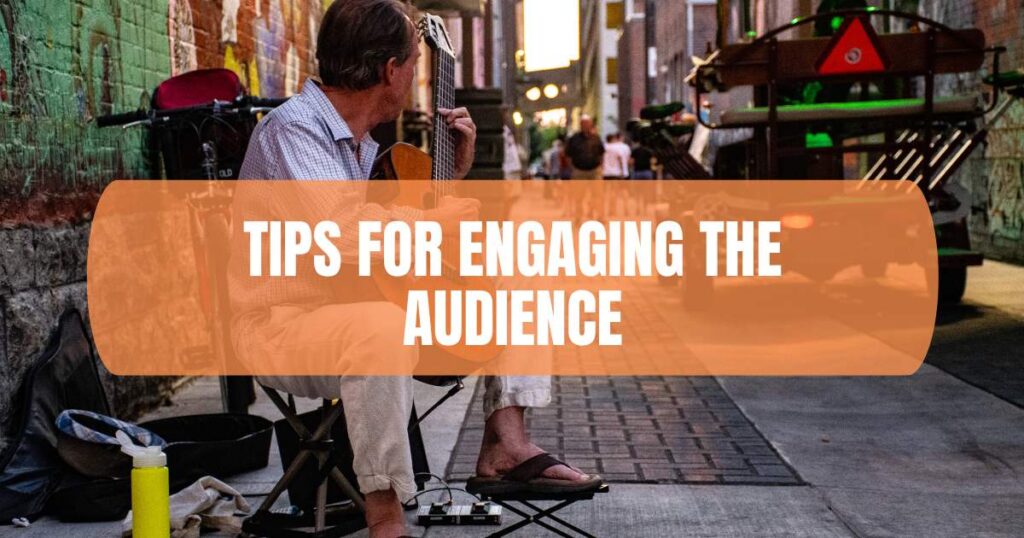
Making eye contact
Making eye contact helps buskers catch attention and build quick connections with passers-by. A simple smile paired with steady eye contact creates a friendly link, inviting listeners to stay longer and engage.
Buskers who meet the eyes of their audience keep people hooked on their performance, increasing participation as well as tips and applause. Strong personal connection through direct eye contact makes performances more memorable and effective, turning casual observers into active fans of street music or other creative acts.
Encouraging participation
Buskers who encourage audience participation often attract bigger crowds. Interactive genres, like sing-alongs or group rhythms, quickly draw passers-by into the performance. Scanning faces softly and making regular eye contact creates a powerful connection and invites people closer.
Some buskers use humour and funny self-comments to appear relatable; it helps listeners feel at ease and join in.
Effective storytelling also builds interest during street performances. Short anecdotes or simple stories between songs help the crowd connect deeply with each moment. Clear gestures, smiles, and an upbeat voice keep energy buzzing around a performance area; this encourages onlookers to clap along, dance spontaneously or even suggest song requests out loud.
Audience involvement lifts the atmosphere for performers too, making every street show lively and enjoyable for everyone involved.
Maintaining energy and enthusiasm
Performers must stay hydrated during busking sessions, as it helps keep energy high and performances lively. Taking short sips of water between songs reduces fatigue and supports vocal health.
Limiting breaks also keeps the performance engaging, maintaining a steady connection with listeners who stop by to watch. Choosing a diverse setlist adds fresh appeal; mixing popular covers with original songs can captivate crowds throughout each session.
Authentic expression builds genuine connections during street performances. Sharing real emotions through music fosters warmth and sincerity that resonates strongly with passing audiences.
Keeping positivity visible in facial expressions, body language, and interactions makes performers approachable; eye contact further encourages participation from passers-by moving along busy streets or public squares.
Handling Challenges While Busking

Dealing with hecklers
Hecklers often disrupt public performances more than private events, making street busking a prime target for unwanted interruptions. These hecklers can be harmless and playful or downright mean-spirited, which presents performers with the task of figuring out how to respond effectively.
Ignoring minor comments might diffuse tension quickly, while engaging in friendly banter can turn disruptions into fun audience interactions. If heckling becomes aggressive or causes discomfort, calmly but firmly addressing the person usually works best; if feeling unsafe at any point though, contacting local security or authorities promptly is always recommended.
Managing stage fright
Stage fright poses a big psychological hurdle for musicians, especially those new to busking. This anxiety can hit performers at any skill level, but simple strategies can help content creators tame their nerves.
A practical manual outlines 18 clear steps grouped into categories like awareness, stress control, self-reflection and visualisation techniques. Developing mental strength through calming exercises or guided imagery is an effective route to ease tension during public performances.
Physical routines such as deep breathing or gentle stretches also lower anxiety levels before stepping onto the street stage. Building calmness through regular relaxation practice lessens panic reactions in stressful situations and boosts confidence over time.
Applying these targeted methods allows musicians to better manage fears and deliver relaxed performances on busy streets filled with varied audiences.
Staying safe in public spaces
Buskers often carry valuable equipment and display cash earnings, which makes them a clear target for theft. Concealing money out of sight or using digital tipping methods like QR codes can help protect their funds by cutting down on cash handling.
Busking near busy streets with high foot traffic offers more visibility, making it harder for thieves to act unnoticed.
Keeping expensive gear secure is equally important. Chains or locks fastened to stands and cases deter opportunistic crime effectively. Staying alert in public places also helps performers spot any suspicious people early, giving time to react safely or ask someone nearby for assistance if needed.
Building a Professional Image
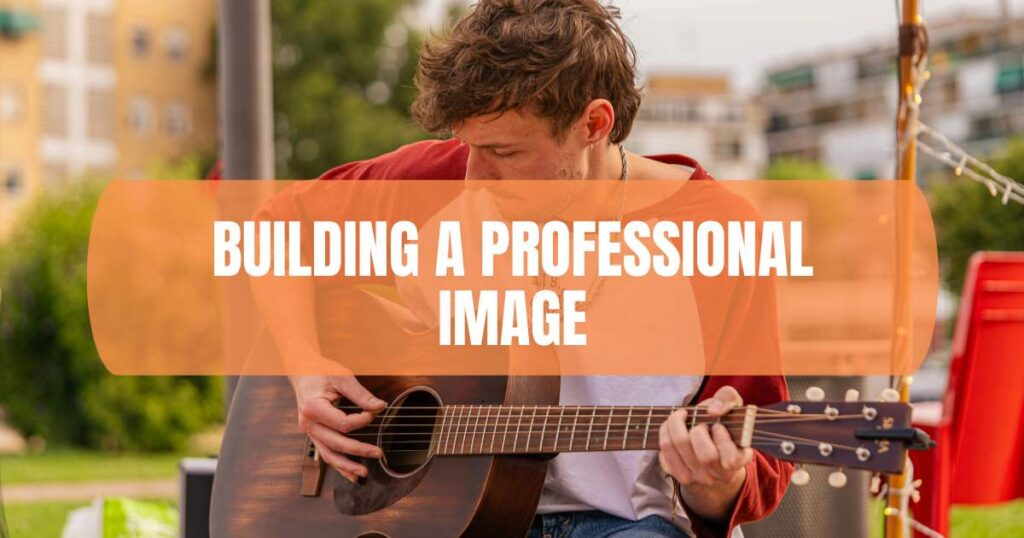
Dressing appropriately
Dressing well for busking shows professionalism, gains audience attention and builds a positive image. Outfits that reflect performers’ personalities, such as classy tuxedos or retro bellbottom jeans, can elevate their confidence while they entertain.
Picking suitable clothes makes street performances more engaging and enhances the overall atmosphere of the act. Audiences are drawn to artists with distinct visual styles; the right choice of clothing helps achieve that goal.
Using signage for promotion
Effective busking signs play a key role in attracting passers-by to stop and enjoy the performance. A clear sign should ideally be around A3 size, as this offers great visibility without being too bulky.
Performers have options for their signage including printed designs or handmade creations depending on style preferences and available resources. To boost readability from a distance, outlined letters and drop shadow effects are highly recommended.
Visual clarity of signage helps attract attention even in crowded spots; bold lettering can make a massive difference, especially outdoors where distractions are common. Signs that clearly display details like name, social media handles or website links allow interested audience members to connect easily after performances finish.
With neatly presented promotional signs at each show, musicians increase their chances of building long-lasting audiences beyond just simple street gigs.
Business cards and social media links
Business cards help musicians network effectively, making it easy for people to connect later. Good quality card stock gives durability and a professional appearance. Cards should clearly present key details like the musician’s name, phone number, type of services offered, social media links and website URL.
Including a QR code allows quick access online to music platforms or profiles.
Social media links also boost connections and audience engagement. Sharing these handles on business cards helps listeners easily find more content from their favourite performer online.
Clearly displayed social media channels increase a performer’s reach; followers often become loyal fans who regularly stream music or attend future shows.
All in All
Starting to busk is an exciting way for creators to showcase talent and grow their audience. A successful street performer checks local rules first, gathers battery-powered gear, and sets up in busy yet suitable spots.
Choosing engaging songs, interacting warmly with passers-by, and handling difficulties calmly help make busking enjoyable and safe. With good preparation, a welcoming setup, and smart strategies, any content creator can confidently turn the pavement into their stage.
Cheers, Josh

The Big Lists Of Music Promo Contacts
Includes PR companies, UK promoters & UK booking agents. Everything you need to put your band on the map.
Access Lists 

Hello, I’m Josh, and I’ve been honing my graphic design skills for almost 15 years now, catering to the needs of bands and businesses alike. What really fascinates me is the business aspect of the music industry. In addition to my design work, I also happen to play the Hammond organ, and I strive to share my knowledge through helpful articles that I write exclusively for you all!