
What Record Labels Are Looking For In New Artists
Here’s what many musicians don’t realise. Record labels scan thousands of profiles every month, and they’re looking for proof, not potential.
Labels want artists who can already sell music, command a stage, and bring something genuinely fresh to a crowded market.
This guide breaks down the specific metrics, habits, and qualities that actually get musicians signed in 2026. From the streaming numbers labels check first to the collaboration skills that seal the deal, these are the insights that separate artists who get noticed from those who get overlooked.
Key Takeaways
- Record labels prioritise artists with clear sound, strong stage presence, and originality that cuts through in today’s competitive UK music scene.
- Online metrics like growing fanbase, high social media engagement, and streaming numbers are just as crucial as raw talent for securing a deal.
- Dedication and strong work ethic signal to labels that an artist can adapt to market shifts and honour long-term commitments.
- Professional recordings and quality demos increase visibility by demonstrating serious intent and readiness for partnership.
- Flexibility, willingness to collaborate, and consistent branding help artists match fast-changing trends whilst maintaining a loyal audience base.
What makes talent and originality stand out to record labels?
Labels search for artists who possess a distinctive sound that resonates immediately. A unique voice or fresh style captures attention across any genre, whether indie pop or rap. Stage presence matters immensely as well.
A powerful live performance can distinguish an artist during a showcase or livestream.
Labels track online statistics closely. Platform engagement, fanbase growth, and streaming velocity tell the story. According to data from 2026, most labels won’t seriously consider artists without at least 50,000 monthly Spotify listeners and visible upward trends.
High engagement on music platforms signals genuine listener connection. Artists who evolve whilst holding onto their originality rise above the competition.
A successful track in today’s UK music industry, which saw over 210 billion streams in 2025, must balance current appeal with freshness. Contract discussions focus on ownership, rights, and long-term strategy, but talent opens doors first.
Why is dedication and work ethic important for new artists?
Dedication and work ethic prove to record labels that an artist is ready for the demanding road ahead. Building a music career requires long hours, steady focus, and genuine effort day after day.
Labels want artists who adapt to market changes, develop their skills, and meet deadlines. Hardworking musicians stand out because they persevere when challenges arise.
Strong work ethic helps artists manage every aspect of a contract. This includes owning music rights, understanding financial terms, staying committed to recording schedules, and building solid relationships with label teams.
New acts with stage presence or impressive online statistics often get noticed first. Yet only those willing to put in consistent effort will last. Dedication proves an artist can commit long-term as industry trends shift and evolve.
How can new artists build a growing fanbase?
Building a strong fanbase helps new artists attract record label attention. Labels examine online statistics, audience growth, and music sales before offering deals.
- Share music on major streaming platforms like Spotify and Apple Music to reach broader audiences and track monthly listener growth.
- Use social media regularly by posting behind-the-scenes content, consistent updates, and interacting with comments to maintain follower interest.
- Perform live shows, both on stage at UK venues like London’s Brixton Academy or Manchester’s Roundhouse, and through livestreams to showcase real energy and stage presence.
- Collaborate with other artists as fresh collaborations introduce each musician’s followers to the other’s style and expand reach organically.
- Offer unique content or branded items such as limited-edition singles or merchandise to make fans feel valued and boost marketability.
- Collect email addresses at gigs or online to send news about new releases or tours directly to loyal supporters through owned channels.
- Track performance numbers on platforms meticulously, showing steady growth in plays, likes, follows, and sales tells labels that listeners genuinely connect with the sound.
What do record labels look for in marketability and branding?
Record labels study an artist’s ability to sell music and generate buzz. Stage presence counts significantly as artists who command the stage win attention quickly.
Labels check online statistics thoroughly, examining social media followers, video views, and streaming numbers. They want proof that listeners care about the artist’s work.
A unique sound helps catch ears, but fitting current trends matters equally in 2026. Pop and hip-hop trends shift rapidly, and those who adapt their style often stay relevant longer.
Strong branding needs clear visuals. A logo, colour scheme, or artwork that fans remember at a glance creates instant recognition.
Consistency across profiles, covers, and merch demonstrates confidence. Ownership of rights attracts major interest because it means fewer legal complications during contract talks.
Labels prefer deals with fair financial terms whilst supporting growth over several years. They expect commitment for multiple projects or releases, with regular updates between label teams and artists about upcoming plans.
Why are quality recordings and professional demos essential?
Quality recordings show music labels that an artist is serious and ready for professional engagement. These tracks allow decision-makers to hear the true sound with complete clarity and detail.
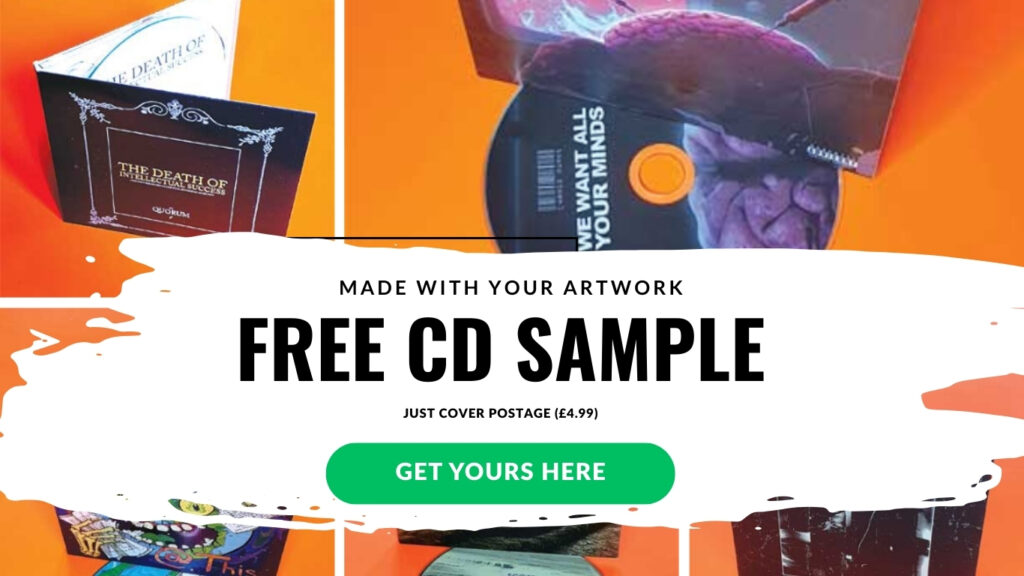
Professional demos prove artists can meet expectations in today’s market, where audio quality matters more than ever the way you present your music is also very important. We always sugget to produce Card Sleeve CDs as a part of of your demo package for the visual impact they have at the record labels.
Music labels seek artists who stand out and fit current trends. Good demos highlight a unique sound or style effectively. Labels assess whether songs could sell or work well live.
Clear, polished demos boost these chances substantially. UK labels receive hundreds of demo submissions regularly, according to platforms like Groover, which guarantees label responses within 7 days.
Strong recordings protect ownership rights and ensure smooth contract discussions about financial terms. With countless submissions yearly, professional demos help new acts get noticed instead of lost in the shuffle.
How does social media presence and engagement influence labels?
Social media numbers now stand almost as important as stage presence or vocal skill. Record labels want artists who can draw followers, spark comments, and keep fans involved daily.
A growing fanbase with high online statistics hints at true selling potential. When thousands tune in for live streams, like posts, or share new songs, labels know people care about the music before signing any deal.
Record labels use social platforms to gauge how well an artist fits current trends whilst standing out from competitors. Engagement shows whether listeners are excited and ready to buy tickets or stream tracks once released.
A&R teams increasingly use software like Chartmetric to track growth patterns across platforms. This tool aggregates data from Spotify, Apple Music, TikTok, YouTube, Instagram, and SoundCloud, helping labels spot artists with genuine momentum rather than artificial engagement.
Strong social activity helps labels decide whether supporting that talent could mean real sales and steady growth in today’s fast-moving market.
Why is flexibility and willingness to collaborate valued by labels?
Flexibility and collaboration skills help labels keep artists aligned with new plans and rapid changes. Music trends shift fast, so artists need to adapt without losing their unique sound or strong artistic identity.
Labels want musicians who work well with producers, songwriters, and even other artists on the roster. This teamwork often leads to better songs and stronger promotion.
Label support works best when artists listen, discuss ideas openly, and value feedback. Many contracts now emphasise ongoing communication regarding both ownership rights and long-term commitment.
Artists who show openness make it easier for teams to sell music together, whether on stage or online, especially as audience tastes change quickly in 2026.
Flexibility demonstrates that musicians are ready not just to fit what’s popular right now but also to stand out as things evolve in the current market. The UK music industry, with its vibrant scenes in London, Manchester, Bristol, and Glasgow, particularly values artists who can navigate different regional tastes whilst maintaining their core identity.
All in All
Standing out to record labels requires much more than talent alone. Labels want artists with unique sounds, strong branding, and genuine work ethic.
Good online presence and growing fanbases matter tremendously. Artists who adapt well and collaborate effectively shine brighter in a crowded music market.
Success follows those willing to learn, build connections, and demonstrate dedication at every step.
The Big Lists Of Music Promo Contacts
Includes PR companies, UK promoters & UK booking agents. Everything you need to put your band on the map.
Access Lists